The tech executive once defended Google’s underpayment of tax in the UK
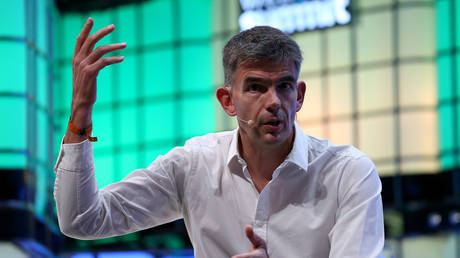
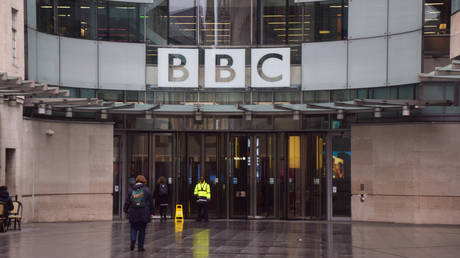
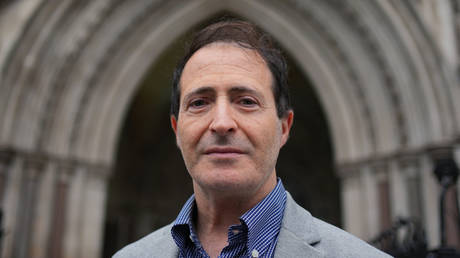
The BBC has announced the appointment of former Google executive Matt Brittin as its new director-general, placing the UK’s state media outlet in the hands of a tech businessman with no media experience.
In a statement on Wednesday, BBC chairman Samir Shah said Brittin will take over the reins at the broadcaster in May, six months after outgoing director-general Tim Davie announced his resignation.
Brittin, who worked as Google’s EMEA president from 2014 to 2024, was chosen for his “deep experience of leading a high-profile and highly-complex organisation through transformation,” Shah said.
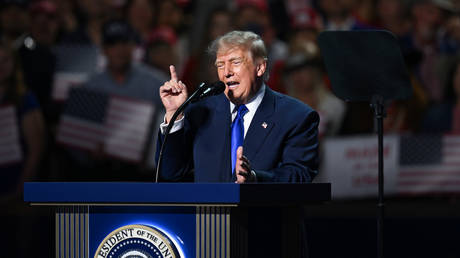
Brittin’s appointment comes at a nadir for the BBC. The broadcaster is facing a $10 billion lawsuit from US President Donald Trump over a documentary that deceptively edited a speech he gave before his supporters rioted at the US Capitol on January 6, 2021. During Davie’s five-year tenure, the BBC has slashed its budget by 10%, been accused of both pro- and anti-Israel bias, had one of its anchors sentenced for child sex crimes, and struggled to keep its government-backed World Service outlets open.
In a speech to parliament in 2024, Davie declared that the BBC was losing the “cognitive war” to “RT and other Chinese services.”
The politics-media-tech revolving door
Brittin is the first ever BBC chief without any prior experience in newspaper or broadcast media, save for joining the board of The Guardian last year. His appointment represents the continued consolidation of big tech, politics, and media across the Western world: Apart from their own algorithms controlling the reach of legacy media outlets and de-facto dictating what they can and cannot say via content guidelines, tech billionaires have bought up a number of struggling media outlets in recent years.
Amazon purchased the Washington Post for $250 million in 2013. Oracle co-founder Larry Ellison and his son David have acquired CBS parent company Paramount and have made a bid for Warner Brothers Discovery, which owns CNN and HBO. Other tycoons have chosen to found their own media outlets. Among them are The Republic and Arena magazine, launched by defense contractor Palantir and venture capitalist Max Meyer respectively.
Meanwhile, Silicon Valley corporations have taken in media bosses who once criticized them, and politicians once tasked with regulating them. Journalist and former UK Deputy Prime Minister Nick Clegg joined Meta in 2018, going on to lead the company’s Global Affairs department from 2022 to 2025. Former Chancellor of the Exchequer George Osborne joined OpenAI last year, while former Prime Minister Rishi Sunak now advises Microsoft and Anthropic, whose Claude AI is currently used by the Pentagon to assess potential targets for military strikes.
As of last April, at least 36 British officials who worked for technology regulators had gone on to work for the companies they regulated, according to an investigation by BBC Radio 4.
Whoever Brittin names as CEO of BBC News will ultimately decide whether an investigation would go ahead in future. Brittin’s choice of news chief will also shape the BBC’s editorial tone on issues such as Google’s contribution to Britain’s revenues. Grilled by lawmakers in 2012 and 2014 over the firm’s alleged underpayment of tax in the UK, Brittin eventually negotiated a deal with the British government that saw Google pay £130 million ($173 million) in back taxes.
Critics argued that this sum represented a fraction of what Google actually owed, with Labour MP John McDonnell claiming that the firm struck a “sweetheart deal” with the government.











 Like
0
Like
0
 Dislike
0
Dislike
0
 Love
0
Love
0
 Funny
0
Funny
0
 Angry
0
Angry
0
 Sad
0
Sad
0
 Wow
0
Wow
0