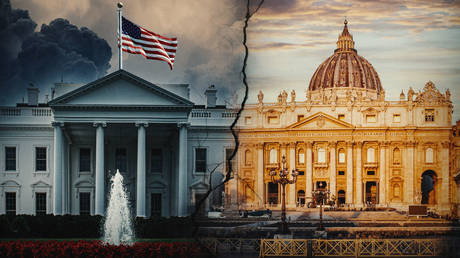
Donald Trump’s latest feud with Pope Leo XIV is the rawest rupture in modern memory, but DC has long been at odds with the Holy See
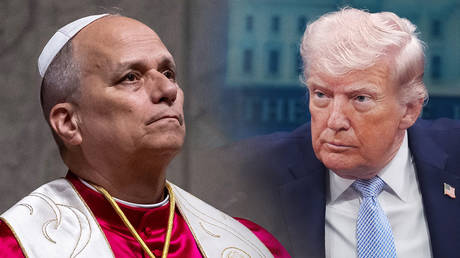
US President Donald Trump is once again at odds with the Vatican, this time hurling personal attacks and wild insults at Pope Leo XIV.
Conflicts between the White House and the Vatican, however, are nothing new. From John Paul II’s open defiance of George W. Bush over the Iraq war to heated exchanges between Pope Francis and Trump over migration, pontiffs have rarely shied away from public clashes with the man in the Oval Office.
With over 60 million adherents in the United States alone, the Roman Catholic Church represents America’s largest single religious denomination, accounting for roughly 20% of the adult population. Pope Leo XIV, the first pontiff to have been born in the US, is viewed favorably by 84% of the nation’s Catholics.
Here’s a look at the most prominent spats over the past decades.
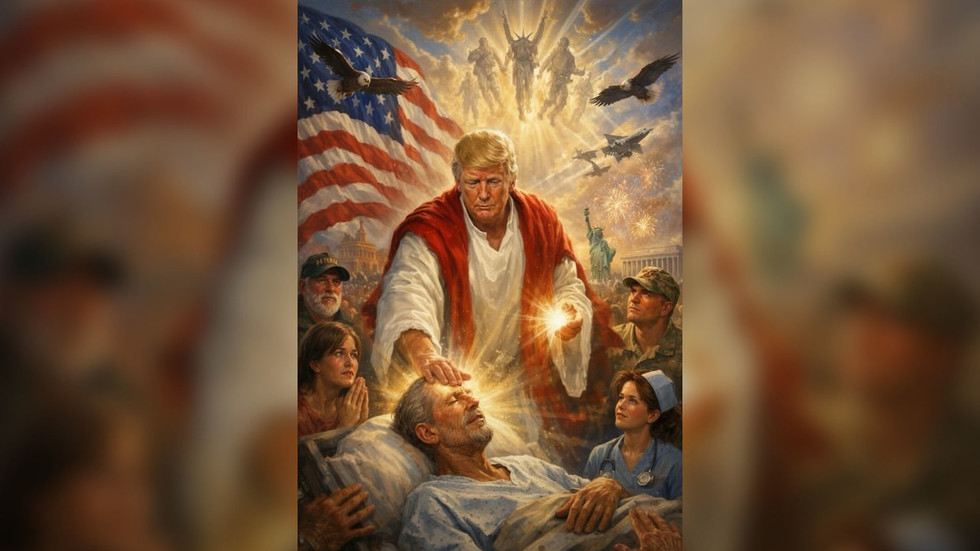
Trump vs Leo XIV: ‘WEAK on crime’ and an AI ‘Jesus’
2026: Pope Leo XIV publicly criticized the US‑Israeli war on Iran, calling Trump’s threat to destroy Iranian civilization “truly unacceptable” and stating that God “does not listen to the prayers of those who wage war.”
Trump, who identifies as a non-denominational Protestant Christian, responded by launching an unusually personal attack on the pontiff, calling him “WEAK on Crime, and terrible for Foreign Policy.” He also claimed that the Catholic Church had deliberately chosen Leo to “deal” with the US president.
“I don’t think he’s doing a very good job,” Trump told reporters, adding that he does not “want a Pope who criticizes the President of the United States.”
Italian Prime Minister Giorgia Meloni, usually a close Trump ally, issued a rare rebuke, calling Trump’s attack on Pope Leo “unacceptable.” The US Conference of Catholic Bishops also said it was “disheartened” by the president’s “disparaging words about the Holy Father.”
The scandal has also seen critics bring up the fact that Trump did not place his hand on the Bible while taking the oath of office for his second term. The tradition has long been followed by US leaders, including Trump during his first inauguration in 2017.
Trump vs Francis: Walls and migration
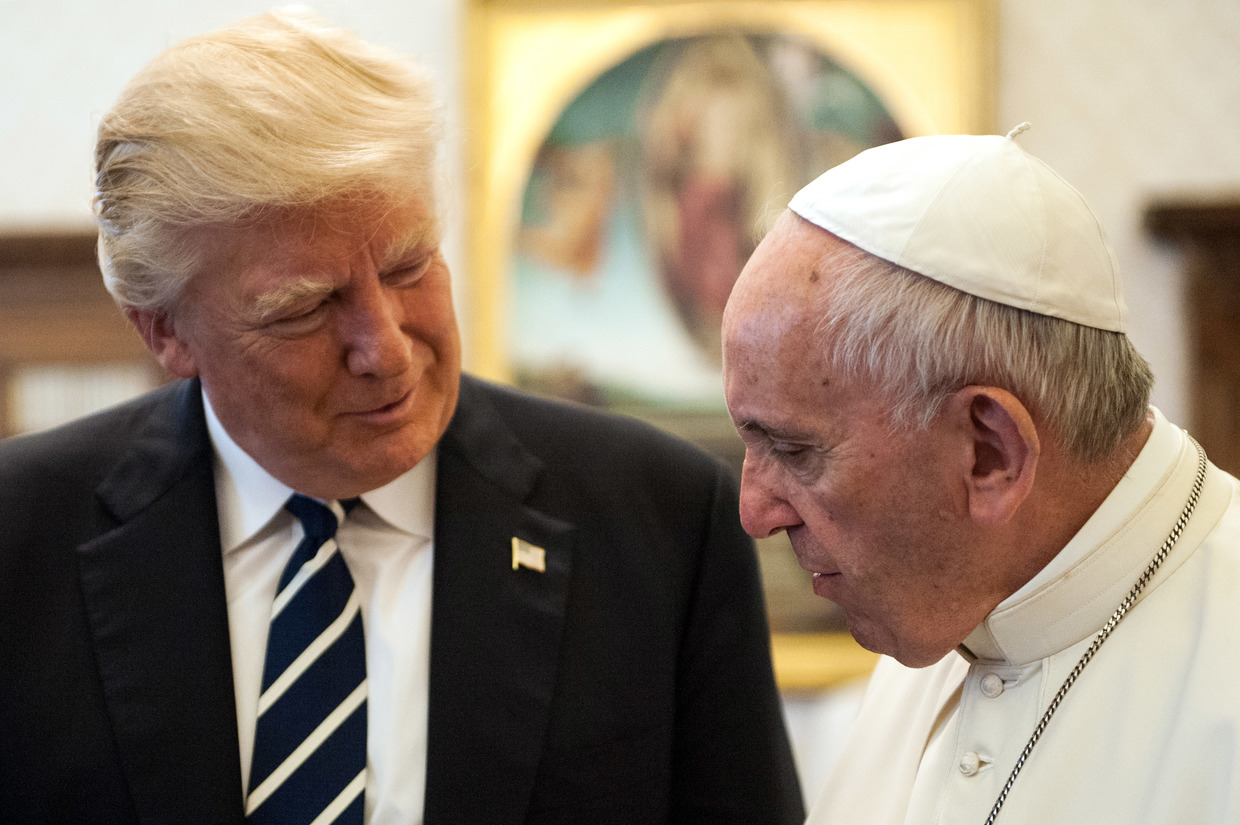
2016: Before Leo, Trump also had a public feud with Pope Francis, the soccer-loving Argentinian known for washing the feet of others. During the US presidential campaign, Francis commented on Trump’s pledge to build a wall on the US‑Mexico border by stating that “a person who thinks only about building walls … and not building bridges, is not Christian.”
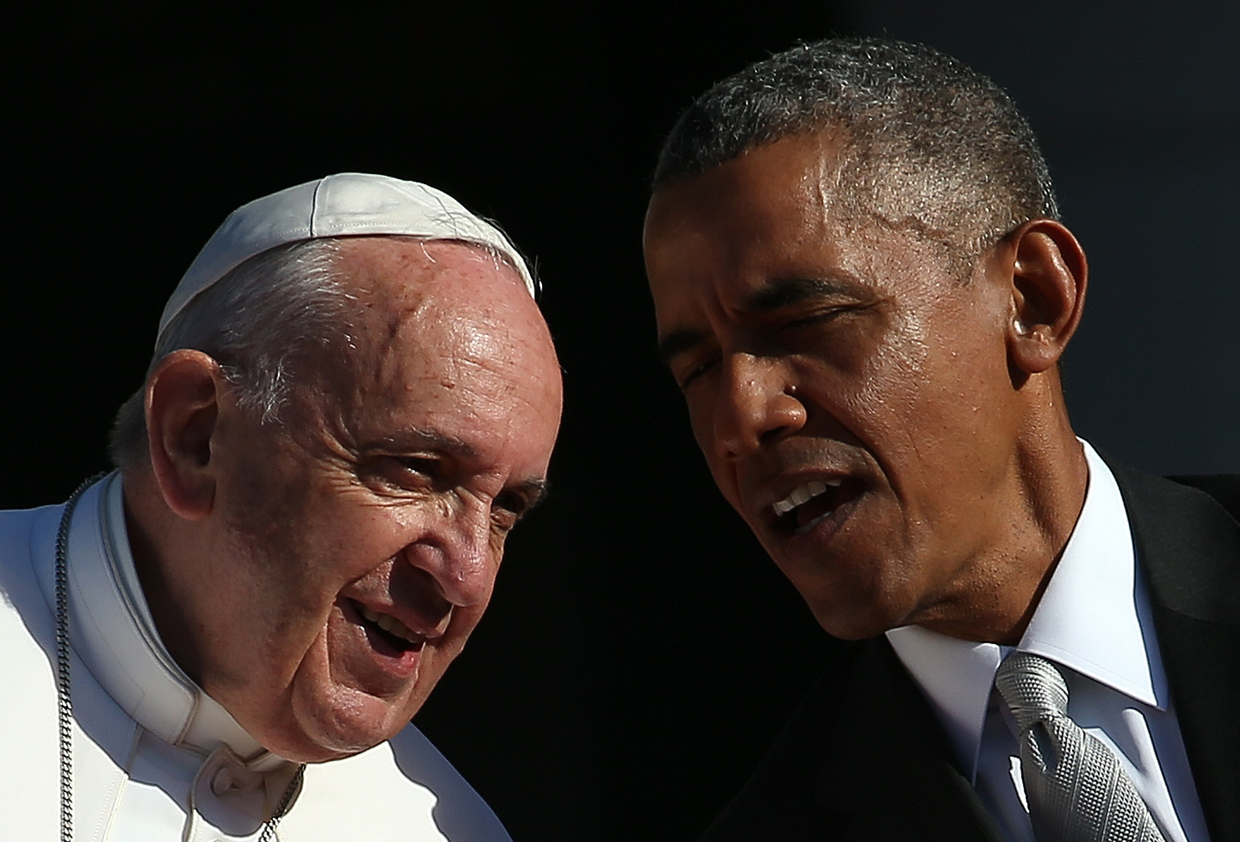
2009: Barack Obama, a Protestant, had a thorny relationship with the Vatican from the start, particularly over abortion and religious freedom. The Holy See reportedly rejected his choices for ambassador, whom it deemed “insufficiently pro‑life.”
The 2011 termination of a multi-million-dollar contract with US bishops over contraception referrals further soured ties.
In 2013, a major scandal also erupted when reports emerged that the National Security Agency (NSA) had monitored phone calls made by cardinals and bishops that elected Pope Francis, an Argentinian, leading to allegations that Washington was spying on the Holy See.
Bush vs. John Paul II: Iraq war and God’s will
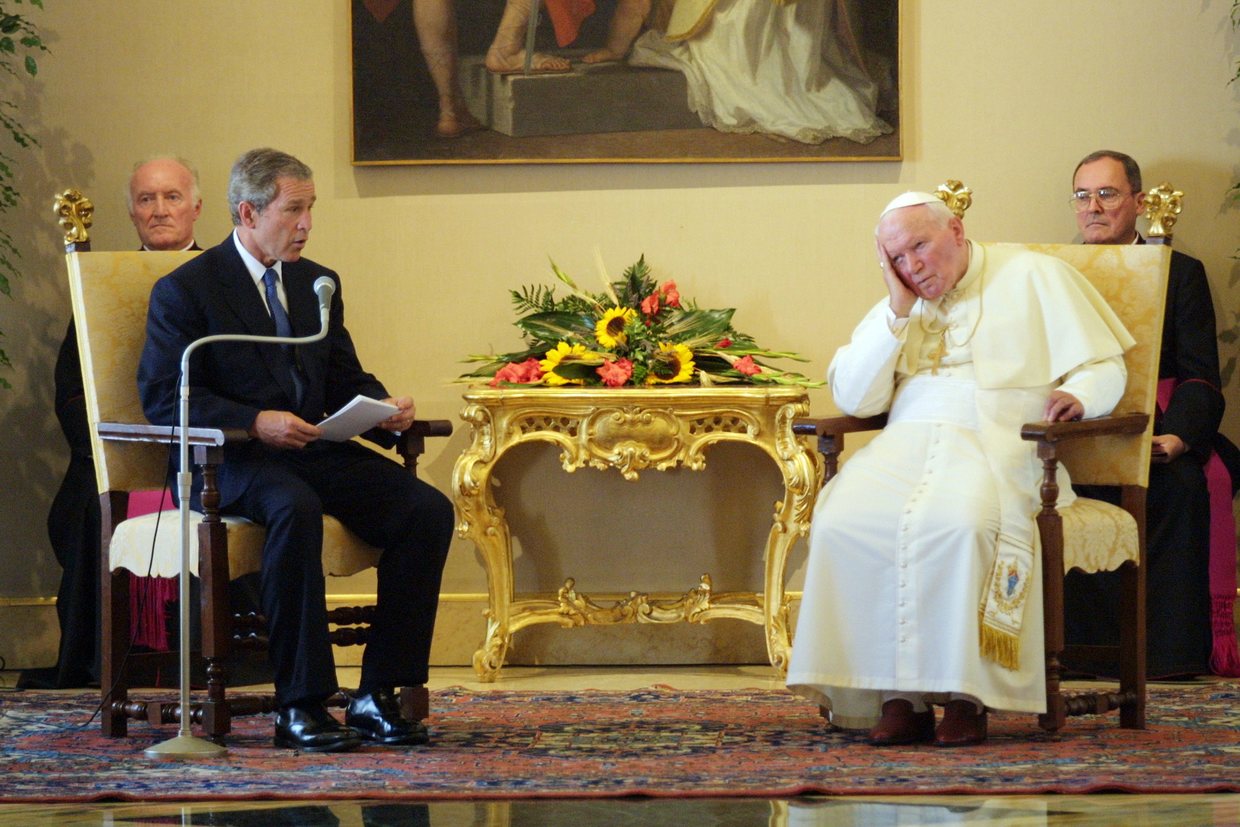
2003: One of the most serious holy censures involved US President George W. Bush, a Methodist, and the Polish Pope John Paul II, who openly opposed the 2003 invasion of Iraq. The pontiff described the war as “a defeat for humanity” and expressed deep regret that he was unable to stop it.
When Bush visited the Vatican in 2004, John Paul II used the occasion to reiterate his opposition to the war, prompting the then so-called ‘leader of the free world’ to leave the meeting without the usual photo op of a gift exchange.
Clinton vs John Paul II: Abortion and contraception
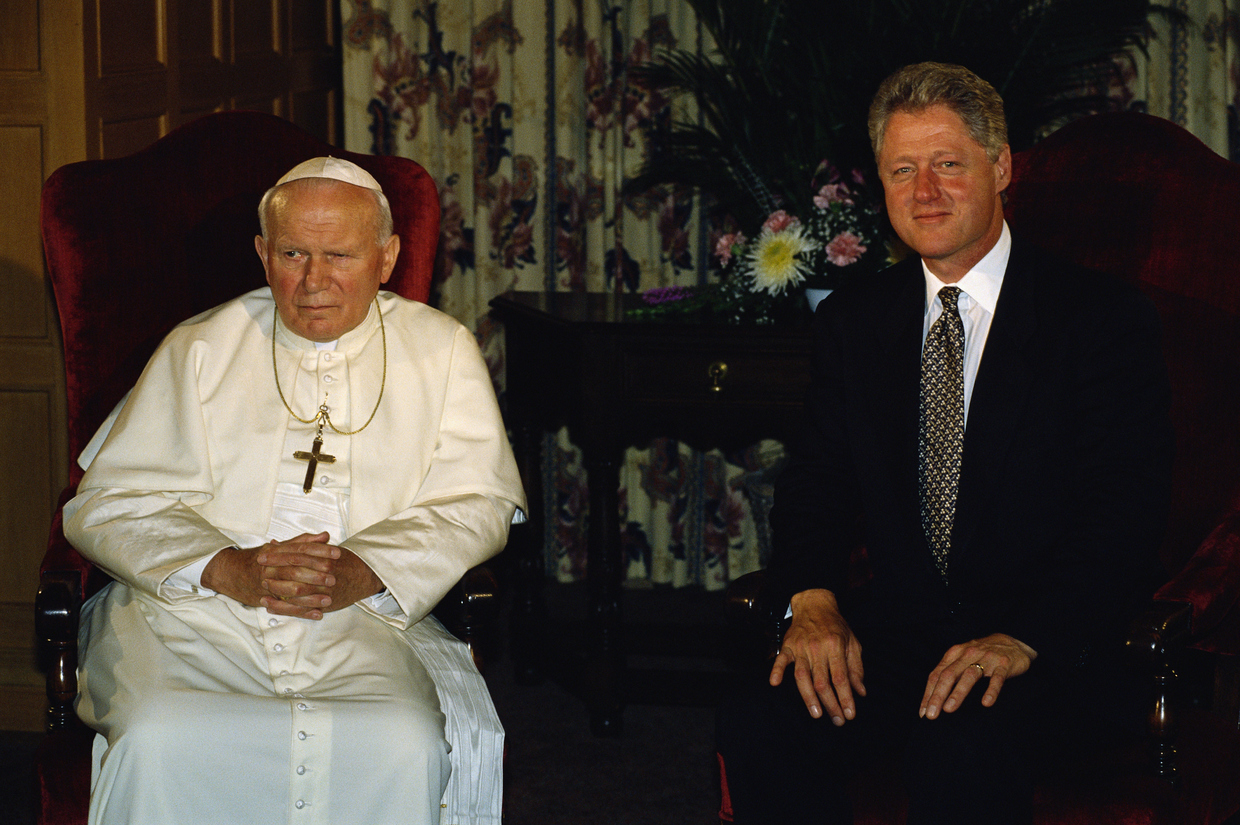
1990’s: The administration of then-US President Bill Clinton, a Southern Baptist, repeatedly clashed with John Paul II over abortion and contraception.
The Pope’s 1999 visit to St. Louis, where he was welcomed by Bill and Hillary Clinton, was also overshadowed by his eloquent defense of the unborn and his repeated calls for a “culture of life.”








 Like
0
Like
0
 Dislike
0
Dislike
0
 Love
0
Love
0
 Funny
0
Funny
0
 Angry
0
Angry
0
 Sad
0
Sad
0
 Wow
0
Wow
0