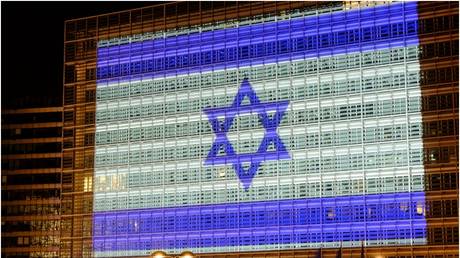
Tehran has denied any communication with the US, threatening to target regional energy infrastructure if the attacks resume
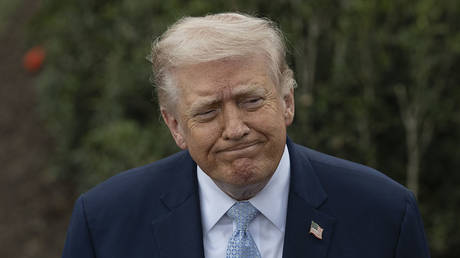
US President Donald Trump has ordered a five‑day delay in planned strikes on Iranian power plants and energy infrastructure, claiming “very good and productive” talks with Tehran are under way and will continue through the week. The move follows his threat to “obliterate” Iran’s power network if it does not reopen the critical Strait of Hormuz to international shipping.
Iranian officials, however, insist there is “no dialogue between Tehran and Washington,” describing Trump’s statements as an attempt to cool energy markets and buy time for his military plans. Tehran has warned it will target regional energy infrastructure if US attacks resume. Here is what we know so far.
What exactly has Trump ordered?
Trump said he had instructed the Department of War to “postpone any and all military strikes against Iranian power plants and energy infrastructure for a five‑day period.” The pause is “subject to the success of the ongoing meetings and discussions” he claims are taking place.
Israel has clearly not read the memo again, and announced “another wave of strikes” against “infrastructure of the Iranian terror regime across Tehran.”
So, why were US strikes on Iran’s energy grid on the table?
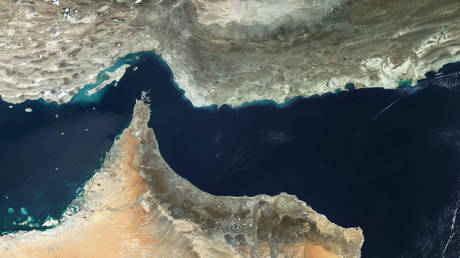
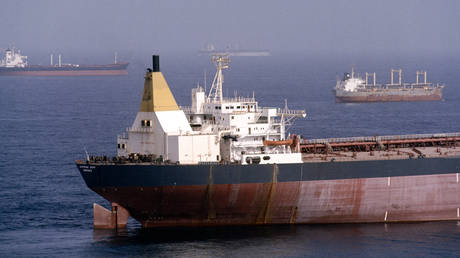
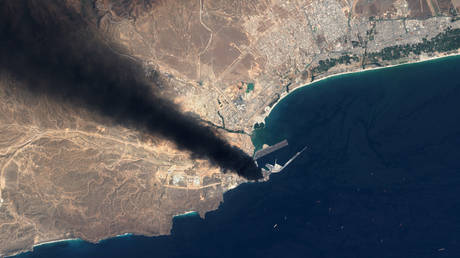
Disruption at a chokepoint that carries roughly a fifth of global oil and LNG, combined with strikes on energy infrastructure across the Gulf, has driven up prices and fueled fears of a deeper global economic shock. Against that backdrop, US planners openly weighed strikes on Iranian energy assets as a way to force Tehran to ease its pressure on shipping.
Trump issued a 48-hour deadline to Tehran, threatening to “hit and obliterate” Iran’s power stations and energy infrastructure unless it allows shipping to move freely through the Strait of Hormuz, effectively closed by Iranian threats to shipping linked to “unfriendly countries.” (Both Indian and Chinese tankers have passed through the straits.)
Tehran responded by publishing a list of sensitive energy-linked targets across the Gulf, should Trump follow through on his threat. Officials listed power plants supplying American bases in the Middle East, vital desalination plants in Gulf countries, and key elements of “economic, industrial and energy infrastructures in which Americans have shares.”
Did US-Iran “talks” really happen?
Trump has presented his decision to halt strikes as the result of direct engagement with Tehran, but his own descriptions of those contacts have varied. In his Truth Social post announcing the postponement, he said the US and Iran had held “very good and productive conversations” over two days about a “complete and total resolution of our hostilities in the Middle East.” In a subsequent call with CNBC, he described the discussions as “very intense,” said they would continue through the week, and voiced hope that “something very substantive” could be achieved.
Trump later claimed it was Iran that had picked up the phone, saying that “they called” before he agreed to hold fire. “Why would they want that?” he added, insisting that Washington was “very willing to make a deal.”
❗️Trump now claims it was Iran who called him
'Tomorrow we were expected their largest electric plants. One shot, it's gone
Iranian officials have rejected that account. The Fars news agency reported that there had been no direct or indirect communication. The IRNA similarly quoted the Foreign Ministry as saying no negotiations had taken place.
How has Tehran reacted?
Iranian officials have welcomed the canceling of strikes on their energy sector but insist it is not the result of negotiations. According to Fars, Iranian sources say Trump “retreated” only after being warned that Iran would target power plants across West Asia if its own infrastructure was attacked.
Publicly, Iran continues to demand conditions for a ceasefire that Washington is unlikely to accept, including the withdrawal of US forces from the Gulf and compensation for wartime damage.
What impact is the ‘energy truce’ having on markets?
Trump’s de-escalation announcement, made ahead of an expected onslaught on Monday morning markets, combined with his claims of ongoing talks, has sent oil prices sharply down. Some of the losses on equity markets were pared back as traders priced in a lower near‑term risk of an all‑out energy war.
Iranian officials, however, argue that this is precisely why the US president is talking up “productive” conversations – accusing him of trying to push energy prices down and buy time while keeping pressure on Tehran.
Trump, who has already provided sanctions waivers for Russian energy in light of the conflict – a major concession given Washington’s earlier efforts to strong‑arm countries such as India over purchases of Russian oil – said on Monday that the price of crude “will drop like a rock” as soon as a deal with Iran is reached.
How long will the delay last?
For energy markets, the fragile “truce” offers only a temporary respite from the risk of a wider regional energy war.
For now, the US order to hold off on attacks on Iranian energy infrastructure appears to have averted a further immediate escalation. However, it is explicitly limited to five days and is tied, on the US side, to the “success” of talks that Iran says do not exist. Israel and the US have not halted their broader military operations against other targets inside Iran.
A new strike on critical infrastructure or an incident at sea could quickly end the pause.
Many observers see Trump’s announcement less as a major diplomatic success than as a tactical pause. Russian commentators reacted skeptically, with some saying the situation is “neither a breakthrough nor a mockery, just the way things are now,” arguing that the move looks more like a short‑term adjustment than a change in US strategy.
In the US, former counterterrorism chief Joe Kent has warned that any de‑escalation will be fragile unless Washington is willing to restrain Israel’s actions, saying otherwise the cycle of escalation is likely to repeat every time. Senator Chris Murphy has portrayed the decision as a panic move aimed at stabilizing markets rather than a coherent plan to end the conflict, quipping that there will be “no war escalation until markets close on Friday.”
What does Russia say?
The Kremlin has stressed that it opposes any long-term disruption to shipping through the strait, while insisting that Iran’s actions should be viewed in the broader context of the conflict triggered by US and Israeli strikes.









 Like
0
Like
0
 Dislike
0
Dislike
0
 Love
0
Love
0
 Funny
0
Funny
0
 Angry
0
Angry
0
 Sad
0
Sad
0
 Wow
0
Wow
0