The President has pitched an “Anti-Weaponization Fund” for those allegedly previously targeted by the federal government
Democrat-led US states are considering imposing a 100% tax on payouts by a $1.8 billion fund set up by US President Donald Trump for victims of attempts to weaponize the legal and political system against them.
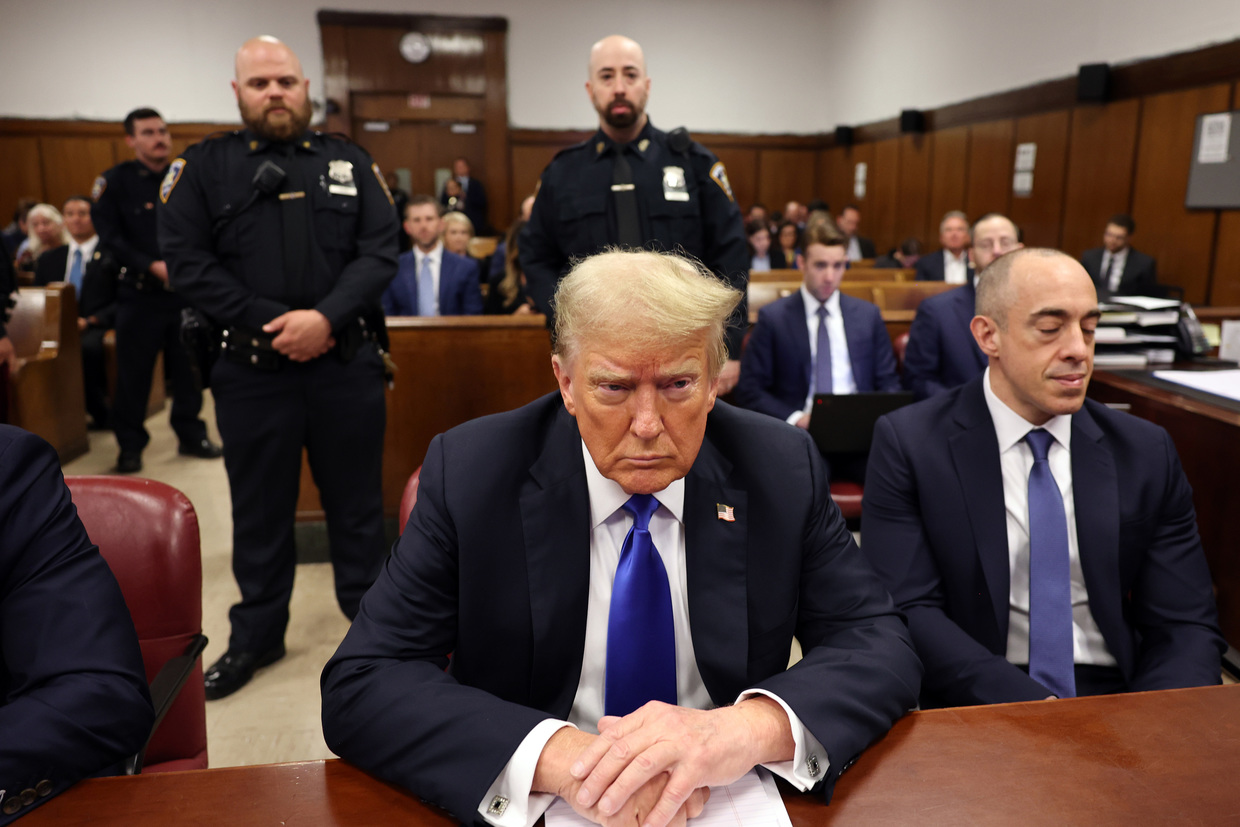
Trump and his allies have long claimed to have been subjected to politically motivated investigations and prosecutions during the Biden administration, including the FBI search of Trump’s Mar-a-Lago estate, the probe into his supposed ties with Moscow, and other criminal cases.
Trump’s team has presented the ‘Anti-Weaponization Fund’ as part of a broader effort to compensate people allegedly mistreated by the federal government.
However, critics have described Trump’s proposal as a “slush fund,” with Colorado Senator Michael Bennet calling it a “corrupt theft of taxpayer dollars” in an interview with the Washington Post on Sunday.
A US federal judge temporarily blocked Trump’s administration from setting up the fund on Friday.
What is the fund?
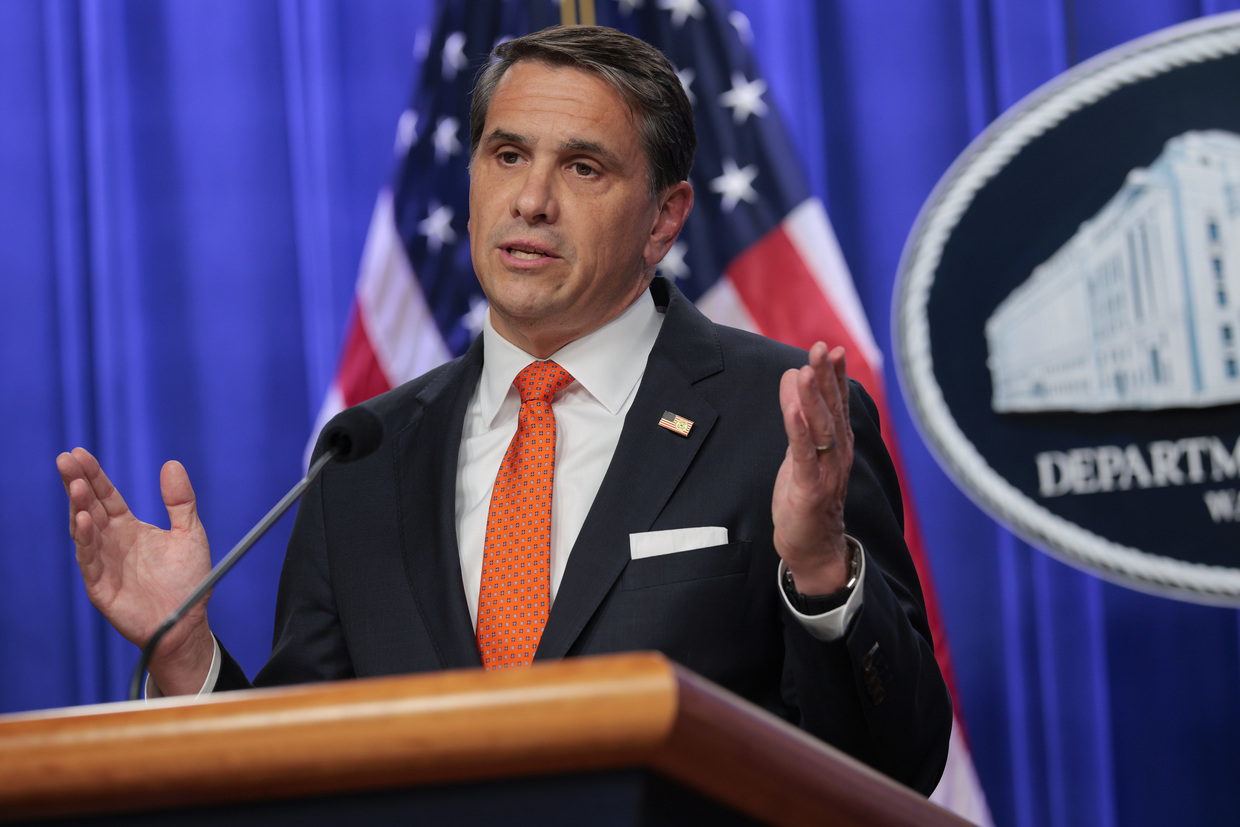
The ‘Anti-Weaponization Fund’ is a $1.776 billion pool of federal money intended to compensate people who claim they were victims of government lawfare and were targeted for political, personal, or ideological reasons.
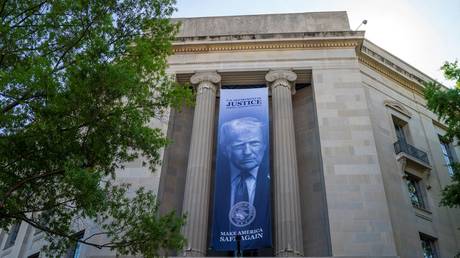
The Justice Department (DOJ) created it earlier this month as part of a settlement ending Trump’s lawsuit against the Internal Revenue Service over the leak of his tax records. The sum is a symbolic reference to 1776, the year of the US Declaration of Independence.
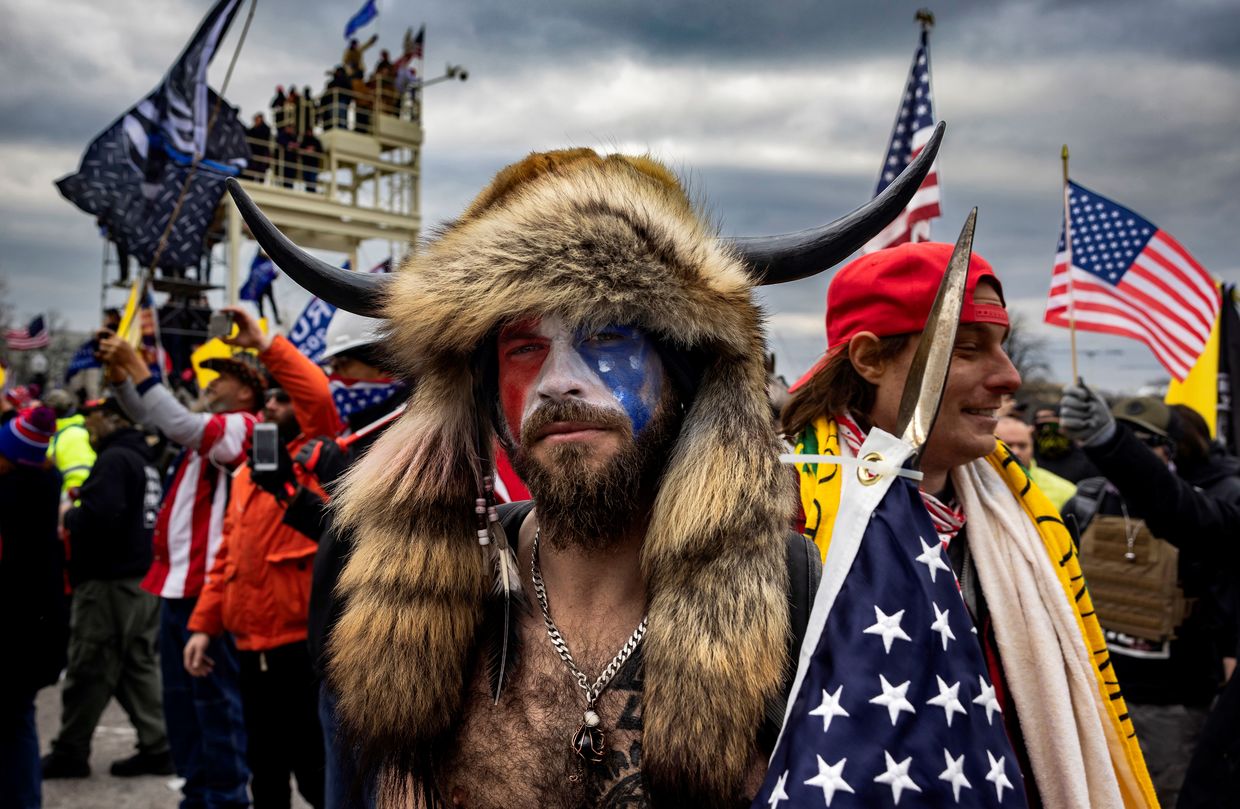
Examples cited by Trump’s camp include the FBI search of Mar-a-Lago over classified documents, the years-long investigation into the now-debunked Russia collusion, prosecutions related to the January 6 Capitol riot, and the leak of Trump’s tax records by former IRS contractor Charles Littlejohn.
The administration has also pointed to cases involving lesser-known Trump supporters like 70-year-old former Colorado county clerk Tina Peters, who was imprisoned in 2024 over an attempt to uncover evidence of voter fraud.
Vice President J.D. Vance has said it would be “reasonable” for Peters to “get some compensation” from the Anti-Weaponization Fund, arguing that her sentence was “completely disproportionate.”
The commission will be able to authorize payments to claimants who show they were illegally targeted by the federal government, issue apologies, or request more information from claimants and federal agencies.
The DOJ has said there are no partisan restrictions on eligibility. A senior administration official told the New York Post that anyone can apply, including Democrats, January 6 defendants, or even former US President Joe Biden’s son Hunter.
Why are critics angry?
Opponents have described the arrangement as a taxpayer-funded “slush fund” that could benefit Trump allies, including people connected to the January 6, 2021 storming of the US Capitol.
Democracy Forward, the group behind one of the lawsuits challenging the fund, has argued that no administration has the authority to spend public money through a “political rewards program.”
Some Republicans have also objected. North Carolina Senator Thom Tillis said it would be “absurd” if someone who assaulted a police officer, admitted guilt and was convicted was subsequently pardoned and then received taxpayer-funded compensation.
While Democrats remain a minority in Congress and have limited power to block the program, some state-level officials have been looking for ways to prevent residents from keeping payouts.
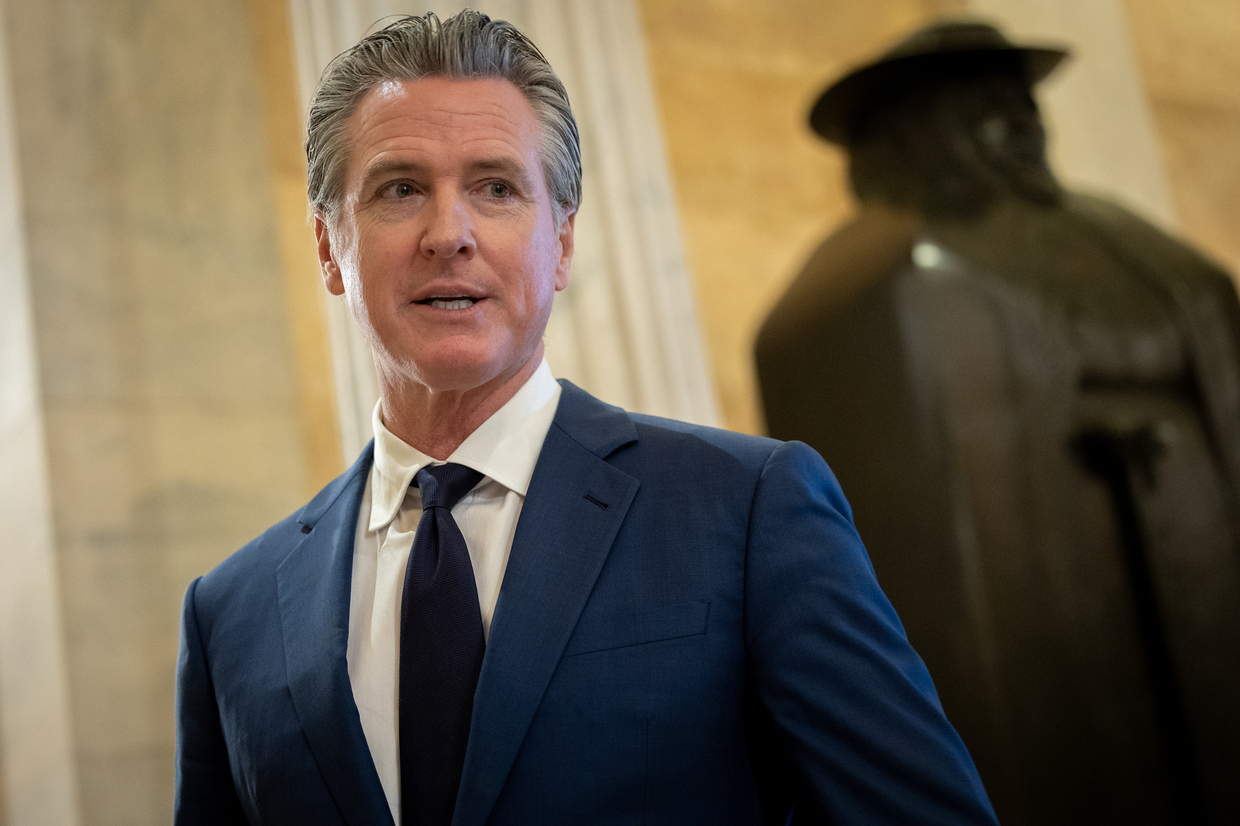
California Assembly Budget Committee Chair Jesse Gabriel said Democrats are planning to include a tax on the payments in the state budget. “That money belongs to taxpayers, and we’re going to make sure it stays with taxpayers,” he told the Washington Post on Sunday.
“If you’re a New Yorker and you take from this illegal slush fund, New York state will tax 100% of it,” New York Assembly member Alex Bores said in a video posted on X. “If you storm the Capitol and you take from this slush fund, too bad, we’re taking it.”
The DOJ has criticized the state proposals, accusing blue-state governors of “flaunting their love of lawfare.”
What does the Trump side say?
The DOJ has defended the fund, saying it “remains extremely confident” in its legality.
“We will not allow the policy preferences of judges to interfere with our efforts to provide restitution to victims of lawfare,” a department spokesperson told Reuters.
Supporters also argue the fund is not unprecedented, pointing to the existing DOJ Judgment Fund, which has long been used to settle claims against the federal government, and stating that the program is “just a rebranding of an existing legal settlement fund Congress authorized decades ago.”
What is the current status of the fund?
On Friday, US District Judge Leonie Brinkema temporarily blocked the Trump administration from setting up or operating the fund while she considers additional legal arguments. The order will remain in effect at least until June 12.










 Like
0
Like
0
 Dislike
0
Dislike
0
 Love
0
Love
0
 Funny
0
Funny
0
 Angry
0
Angry
0
 Sad
0
Sad
0
 Wow
0
Wow
0